Apply Now for the 2027 Youth Tour Leadership Program!
Phone: (352) 793-3801
Phone: (352) 793-3801







How much of your utility-supplied energy do you want to reduce? Not sure? Keep reading!
A common residential size in Florida is a five-kilowatt (kW) solar system. A five-kW system can potentially produce up to 4,250 watts (there is typically a 15% loss converting DC power to AC power).
Per Florida Administrative Code, systems greater than ten kW (AC) require owners to hold a $1 million liability insurance policy.
Still not sure what size system you want? Find a qualified contractor to help you – but contact a SECO Solar Expert <ADD LINK first.
Example: SECO Energy charges 10 cents ($.10) per kWh
An HVAC system consumes 4,000 watts (4 kW) operating for 10 hours a day
HVAC operation (10 hours) will cost 4 kW x 10 hours = 40 kWh x 10 cents per kWh = $4.00
For a 30-day period, your HVAC will cost $4.00 per day x 30 days = $120
For demonstration purposes only – kilowatt-hour (kWh) rates are subject to change.
10 cents per kWh
System consumption: 4 kW @ 10 hours / day
HVAC operation (10 hours) = $4.00
30-day period = $120
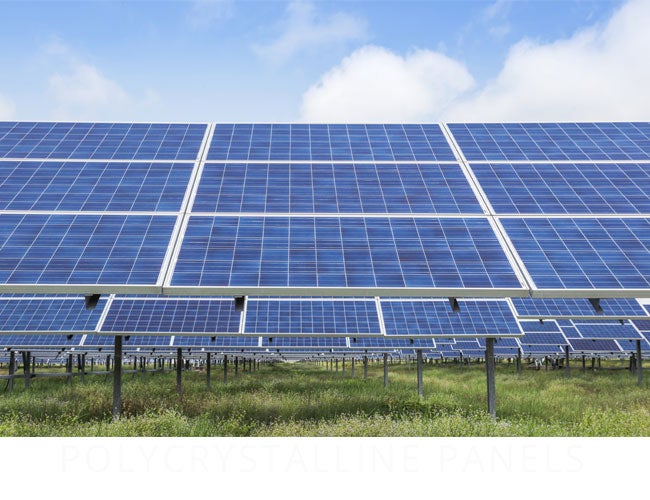
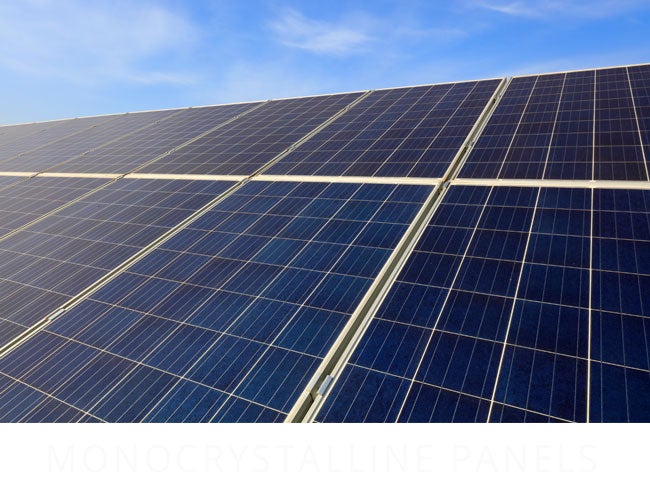
Solar cells made of monocrystalline silicone are recognizable by an even coloring and uniform look. These cells are made out of cylindrical silicon ingots. To optimize performance and lower costs of a cell, four sides are cut out of the ingots to make wafers, giving these panels their characteristic look.
Advantages
Disadvantages
Tier 1 (Generating Facilities ≤ 10 kW Alternating Current) – Per the Florida Administrative Code: “The investor-owned utility shall not require liability insurance for Tier 1. The investor-owned utility may include in the Interconnection Agreement a recommendation that Tier 1 customers carry an appropriate level of liability insurance.”
Tier 2 (Generating Facilities ˃ 10 kW and ≤ 100 kW Alternating Current) – Per the Florida Administrative Code: “A requirement for general liability insurance for personal and property damage, or sufficient guarantee and proof of self-insurance, in the amount of no more than $1 million for Tier 2.”
Tier 3 (Generating Facilities ˃ 100 KW and ≤ 2 MW Alternating Current) – Per the Florida Administrative Code: “A requirement for general liability insurance for personal and property damage, or sufficient guarantee and proof of self-insurance, in the amount of no more than $2 million for Tier 3.”
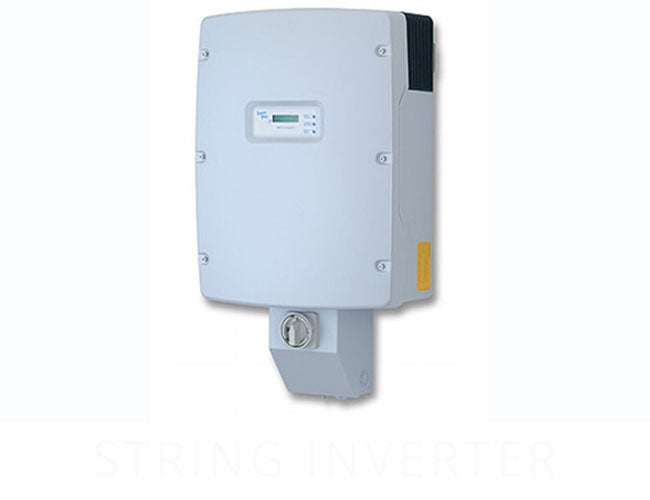
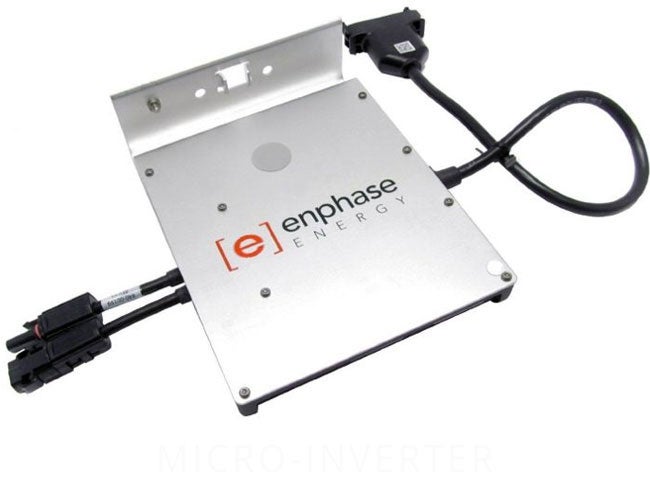
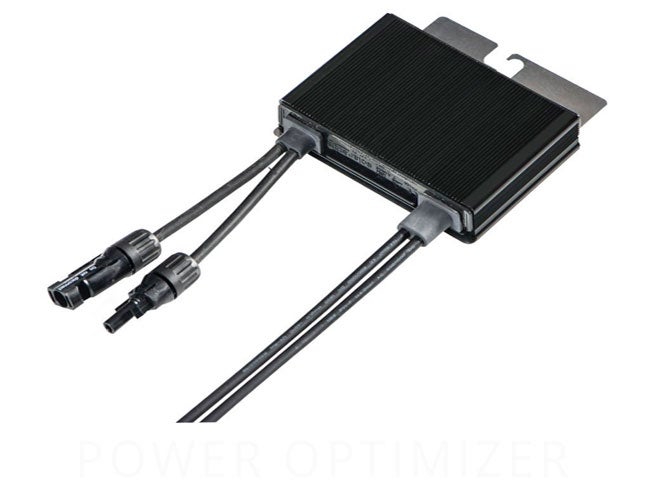
Inverter choice is important. Inverters convert DC power produced by solar panels to the AC power used in your home or returned to the grid. There are three types of inverters:
Roof-mounted solar systems have no moving parts and require little maintenance. Clean leaves and debris from panels when needed.
Ground-mounted systems with automatic or manual operated trackers will require maintenance. Generally, ground mount solar panels cost more than rooftop solar on a per-watt basis because of additional labor and permitting that may be required for the installation. But if your roof size/angles are inadequate and you have the land space, a ground mounted system is a consideration.
Solar systems’ exposure to lightning-induced surges increases the potential for damage to your system and/or home. For this reason, SECO Energy recommends that members who own, or are contemplating the installation of a solar system, incorporate quality surge protection devices (SPDs) into the design. The number of SPDs required will depend upon the size, complexity, and specific technology of the solar system. Those with battery storage and/or backup generators require SPDs for each installed interface. Key considerations when applying SPDs should include the protection of the software to the residence and the inverter from both the solar direct current (DC) input and the alternating current (AC) transfer switch plus all references/connections to the site’s ground should also be protected. The easiest, safest and most cost-effective way of doing this is to employ SPDs on the mounting back panel/plane used to hold the inverter/charger system. For installations utilizing micro-inverter technology, protect the AC connections to the electric distribution system. Note National Electric Code(s) requires all SPDs are ANSI/UL 1449 rated. Direct current (DC) SPDs for inverters must be specifically labeled for that application. If you cannot confirm the SPDs meet these specifications, do not use the product.
Surge protection for solar systems will vary widely between designs and product types. Thus, you should consult your contractor when developing a surge protection plan.