Apply Now for the 2027 Youth Tour Leadership Program!
Phone: (352) 793-3801
Phone: (352) 793-3801

Florida weather can change quickly. Thunderstorms, lightning, tropical storms, hurricanes and tornadoes can all cause power outages and dangerous conditions. It’s important to prepare before severe weather strikes.
Floridians soon become accustomed to almost daily afternoon thunderstorms with severe lightning, as well as tropical storms, with the added possibility of hurricanes and tornadoes. While it’s easy to get used to Florida’s unpredictable summer weather and adjust schedules around afternoon thundershowers, it’s also easy to become complacent about their dangers. Lightning and the potential damage, or harm, that can come from these storms is very unpredictable. As many have witnessed, these storms can leave disastrous results packing a wallop from flash floods and accompanying tornadoes.
SECO Energy encourages members to plan ahead and stay informed. Our Hurricane Handbook provides helpful tips to protect your family, home and property before, during and after a storm.
Additional emergency planning information is available from:
The Florida Special Needs Registry allows residents with special needs to register with their local emergency management agency for assistance during disasters. This information helps first responders prepare and respond more effectively. Visit the Florida Disaster website to locate your county and register.
*If someone in your home depends on life sustaining medical equipment that uses electricity, plan ahead for an emergency backup power source.
Generators can help during outages, but they must be used safely.
If you use a generator:
Improper generator use can cause serious injury or death.
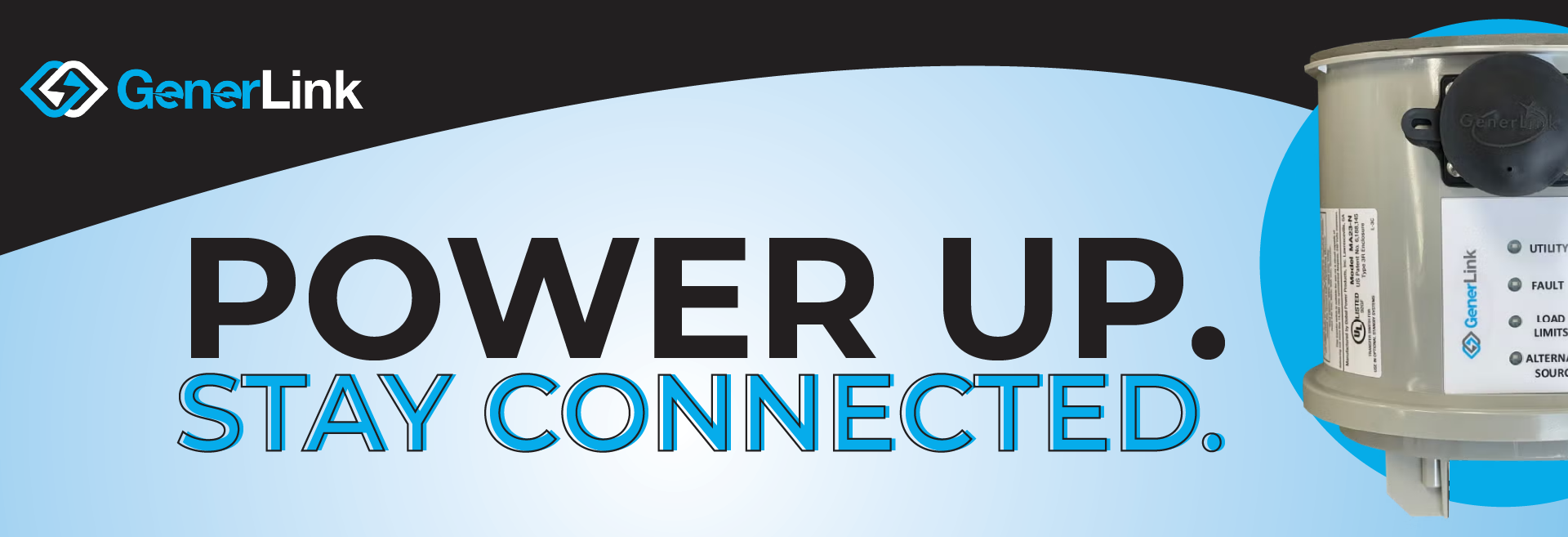
GenerLink® offers a safe, utility-approved way to connect a portable generator directly to your electric meter—without permanent wiring. It automatically disconnects when power is restored to protect your home and SECO Energy crews.
Learn more about purchasing GenerLink through SECO Energy to see if it’s right for your home.
Stay informed about developing storms.
Stock your emergency kit.
Review your emergency plan.
Locate/stock a secure place as a tornado shelter.
Be prepared to evacuate.
Stock up on non-perishables.
Fill your vehicle with gas.
Fill your bathtub with water.
Arrange for the safekeeping of pets and animals.
Remove debris and protect property against wind.
Refill prescription medicines.
Make copies of identification, insurance, and medical information.